
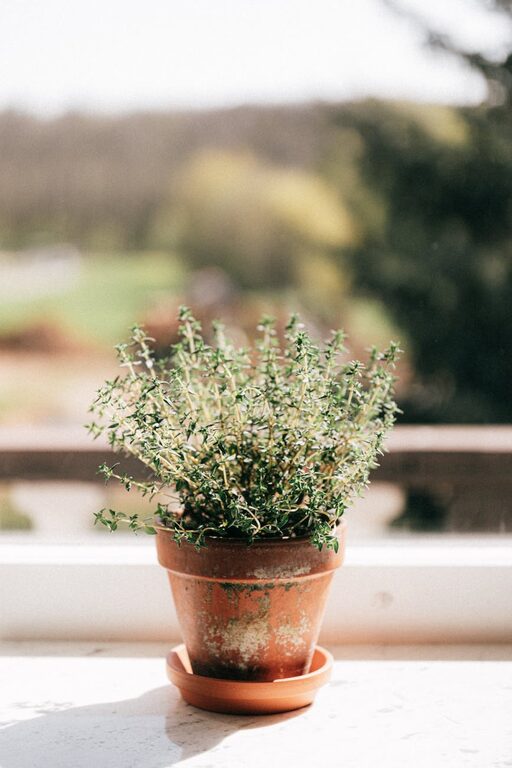
Growing your own herbs indoors is a rewarding and practical way to enhance your cooking while bringing a little greenery into your home. Whether you have a spacious sunroom or just a small windowsill, starting a small indoor herb garden is easier than you might think. This guide walks you through everything you need to know to get started.
Why Grow Herbs Indoors?
Indoor herb gardens offer several benefits:
– Freshness: Pick fresh herbs anytime to elevate your meals.
– Convenience: No need to visit the store for common herbs.
– Space-saving: Ideal for apartment living or areas with little outdoor space.
– Aesthetic: Adds natural beauty and pleasant aromas to your home.
Choosing the Right Herbs for Indoor Growing
Some herbs thrive better indoors than others due to light and temperature preferences. Here are great beginner-friendly herbs to consider:
– Basil: Needs lots of light and warmth.
– Parsley: Grows well in moderate light.
– Mint: Easy to grow but can spread quickly.
– Chives: Prefer cooler spots and less direct sun.
– Cilantro: Likes cooler temperatures and moderate light.
– Thyme: Tolerates lower light and drier conditions.
– Oregano: Needs lots of light, similar to thyme.
Choosing herbs you use regularly will make your garden more rewarding.
Gathering Essential Supplies
Before planting, prepare these basics:
– Containers: Pots with drainage holes are best to prevent waterlogging.
– Potting Mix: Use a well-draining, lightweight mix.
– Seeds or Starter Plants: Seeds are economical, but starter plants give faster results.
– Labels: Optional but helps keep track of herbs.
– Light Source: A sunny window or grow lights.
– Watering Can or Spray Bottle: For gentle, regular watering.
Step-by-Step Guide to Starting Your Indoor Herb Garden
1. Select a Spot with Adequate Light
Most herbs require at least 6 hours of sunlight daily. A south-facing window is ideal. If natural light is limited, consider investing in a small grow light to supplement.
2. Prepare Your Containers
Fill your chosen pots with potting mix, leaving about an inch from the top. If repotting starter plants, gently loosen the roots before placing them in soil.
3. Planting Seeds or Starter Plants
– Seeds: Follow the seed packet instructions. Generally, sprinkle seeds on the soil and cover lightly.
– Starter Plants: Dig a small hole in the soil, place the plant’s root ball in, then fill and pat soil gently.
4. Watering
Water gently but thoroughly after planting. Ensure excess water drains out. Keep soil moist but not saturated — herbs generally prefer slightly dry soil between watering.
5. Maintain Proper Temperature and Humidity
Herbs thrive in typical indoor temperatures between 65-75°F (18-24°C). Avoid drafts or placing plants near heating vents. If air is dry, occasionally mist leaves or place a tray of water nearby to increase humidity.
6. Fertilizing Your Herbs
Feed your herbs every 4-6 weeks with a balanced, water-soluble fertilizer diluted to half strength. Over-fertilizing can cause excessive foliage with less flavor.
7. Pruning and Harvesting
Regular harvesting encourages healthy growth:
– Pinch off the top sets of leaves to promote bushier plants.
– Avoid removing more than one-third of the plant at a time.
– Use scissors to snip herbs rather than pulling to prevent damage.
Common Challenges and Tips
– Leggy Growth: If stems are tall and thin, your herbs might need more light.
– Yellow Leaves: Overwatering or poor drainage could be the cause.
– Pests: Indoor herbs can attract spider mites or aphids. Regularly check leaves and wipe them with a damp cloth or mild soap solution if needed.
– Slow Growth: Consider repotting to bigger containers or changing potting soil once a year.
Helpful Add-ons to Elevate Your Indoor Garden
– Herb Markers: Create simple labels using popsicle sticks or chalkboard tags.
– Hydroponic Kits: Soil-free options ideal for limited space.
– Self-Watering Pots: Help maintain consistent moisture levels.
– Grow Lights: Essential for low-light homes or winter months.
Final Thoughts
Starting a small herb garden indoors is a fun and easy way to enjoy fresh flavors and add natural charm to your living space. With the right herbs, care, and a little patience, you’ll soon have a thriving indoor garden to harvest year-round. Don’t forget to experiment with different herbs and growing methods to find what works best for your home and lifestyle. Happy gardening!