
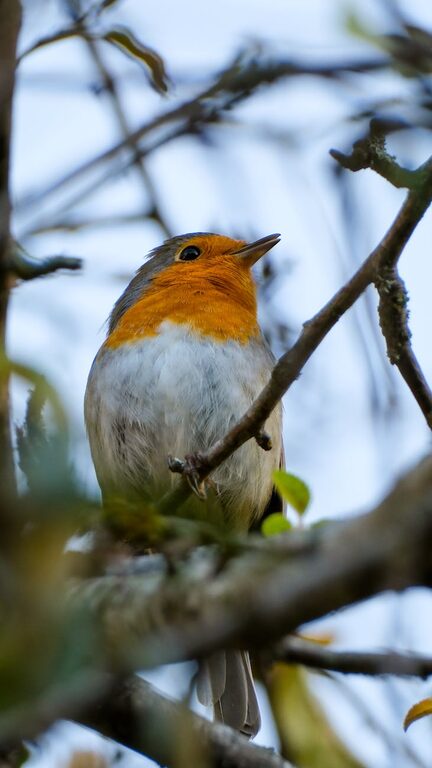
Birdwatching is a rewarding and peaceful hobby that connects you with nature right in your own backyard. Whether you live in a city or the countryside, observing birds can bring joy and help you appreciate the wide variety of feathered visitors around you. If you’re new to birdwatching, this guide will provide beginner-friendly tips to get you started.
Why Birdwatching in Your Backyard?
Starting birdwatching at home is convenient and accessible. You don’t need to travel far or buy expensive equipment to enjoy this hobby. Birds often come to feeders, water sources, or native plants in your yard, making it easy to observe their behaviors and learn about species where you live.
Setting Up Your Backyard for Birdwatching
1. Provide Food Sources
One of the best ways to attract birds is by offering food. Different bird species prefer various types of seeds or treats, so having a mix can bring more diversity.
– Seed feeders: Popular seeds include black oil sunflower, nyjer, and millet.
– Suet feeders: Especially good for woodpeckers and insect-eating birds during colder months.
– Fruit and nectar: Offer oranges or hummingbird feeders with nectar feeders.
Place your feeders in safe spots where birds can perch and feel protected from predators, ideally near shrubs or trees.
2. Offer Fresh Water
Birds need water for drinking and bathing. A birdbath or shallow dish with clean water will attract many species. Keep it fresh and clean to prevent spreading disease.
3. Create Shelter and Nesting Spots
Native plants, trees, and shrubs provide natural cover and nesting areas. You can also hang birdhouses appropriate for the birds in your region. This makes your yard a welcoming habitat that birds will return to.
Essential Gear for Beginner Birdwatchers
You don’t need fancy equipment to start. Here are some basics to make your birdwatching experience better:
– Binoculars: A lightweight pair with around 8x magnification works well for beginners.
– Field guide or app: Use a bird identification book or smartphone app to help recognize species.
– Notebook or bird journal: Record your sightings, note behaviors, and track which birds visit your yard.
– Camera or smartphone: Capture photos for identification or to share your observations.
Tips for Observing Birds Effectively
1. Be Patient and Quiet
Birds can be easily startled by sudden movements or loud noises. Sit still and enjoy watching them at their own pace.
2. Watch During Peak Activity
Early mornings and late afternoons are the best times to see birds, as they are most active when feeding.
3. Learn Bird Behavior
Notice how different species move, feed, or interact. Behavior can help with identification and deepen your appreciation.
4. Use Light and Shade Wisely
Position yourself so the sun is behind you when watching or photographing birds. This helps you see colors clearly without shadows.
Common Backyard Birds to Look For
Depending on your location, you may see a variety of birds. Here are some common backyard visitors:
– American Robin: Often seen hopping on lawns.
– Northern Cardinal: Bright red males are easy to spot.
– Blue Jay: Known for their loud calls and striking blue feathers.
– Chickadees: Small birds with distinctive black caps.
– House Finch: Males have reddish heads and throats.
Check regional bird guides for local species.
Respecting Wildlife and the Environment
Remember, birdwatching should be enjoyable for both you and the birds. Avoid disturbing nests or handling birds. Keep feeders clean and located in safe spots to protect birds from predators.
Joining a Birdwatching Community
Consider connecting with local bird clubs or online forums. Sharing your experiences and learning from others can enhance your knowledge and make the hobby more fun.
Final Thoughts
Backyard birdwatching is a delightful way to relax, learn, and connect with the natural world. By setting up a welcoming yard, using simple tools, and observing patiently, even beginners can discover the fascinating lives of birds just outside their door.
Happy birdwatching!