
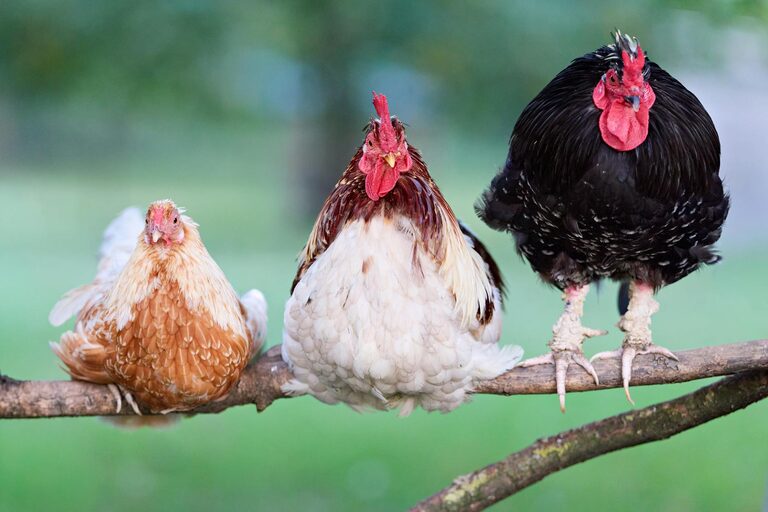
Birdwatching is a rewarding and relaxing hobby that allows you to connect with nature right in your own backyard. Whether you live in the city or the countryside, watching birds can bring moments of joy and discovery to your daily routine. If you’re just starting out, this guide will help you get the most from your birdwatching experience.
Why Start Backyard Birdwatching?
Birdwatching is a wonderful way to appreciate wildlife, improve your observation skills, and reduce stress. It requires minimal equipment, and anyone can do it. Plus, by attracting birds to your yard, you can support local wildlife and enjoy a lively outdoor space.
Getting Ready: Essential Supplies for Beginners
Before you begin, gather a few simple items that will enhance your birdwatching experience.
1. Binoculars
A decent pair of binoculars helps you see birds in detail without disturbing them. You don’t need the most expensive pair; something lightweight with 7x or 8x magnification is perfect for beginners.
2. Field Guide or Bird Identification App
Learning to identify birds is one of the most enjoyable parts of birdwatching. A field guide book or a reliable mobile app can help you recognize species by their shape, color, markings, and sounds.
3. Notebook and Pen
Keep a birdwatching journal to record the species you see, the dates, and behavior. This can be fun to look back on and helps build your knowledge over time.
Attracting Birds to Your Backyard
Creating a bird-friendly environment is key to having birds visit regularly.
Provide Food
Different birds have different food preferences. Here are easy options to consider:
– Bird Feeders: Use feeders filled with mixed seeds, sunflower seeds, or specialized blends. Tube feeders attract small songbirds, while platform feeders accommodate larger birds.
– Suet: High-energy suet cakes are great for woodpeckers and nuthatches.
– Fruit: Some birds love fresh or dried fruits like oranges, apples, or raisins.
Offer Water
A shallow birdbath provides drinking and bathing water. Keep the water clean and fresh, especially in hot weather.
Create Shelter
Birds need places to hide, nest, and rest. Plant native shrubs, trees, and vines that offer natural cover. You can also install birdhouses suited to species common in your area.
Avoid Chemicals
Pesticides and herbicides can harm birds and reduce their insect food supply. Opt for natural gardening practices to maintain a healthy ecosystem.
Observing Birds: Tips for Success
Be Patient and Quiet
Birds can be shy, especially at first. Find a comfortable spot to sit quietly and watch. Avoid sudden movements and noises that might scare them away.
Watch at Different Times
Bird activity varies throughout the day. Early morning and late afternoon are often the best times for birdwatching.
Learn Bird Behavior
Understanding how birds act—feeding, preening, singing—makes watching more rewarding and can help you identify species.
Recording Your Observations
Keeping track of what you see helps you notice patterns and improves your identification skills.
– Use your journal or a digital app.
– Note the date, time, weather, species, and behavior.
– Take photos if possible; they can help with identification later.
Joining the Birdwatching Community
Consider connecting with local birdwatching groups or online forums. They offer support, tips, and opportunities for group outings. Many groups also run citizen science projects, which contribute valuable information to bird conservation efforts.
Final Thoughts
Backyard birdwatching is a simple, low-cost hobby with benefits for your mind and body. By preparing your yard and learning a little about birds, you’ll be rewarded with beautiful sightings and a deeper appreciation for the natural world. Start small, be patient, and enjoy the peaceful art of watching birds from your own home.